


A Wedding Officiant Consultation Checklist
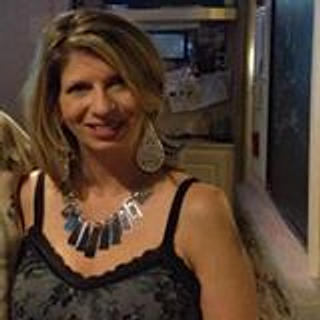
The person standing with you at the altar helps set the feeling of the entire ceremony. Before you book, an officiant consultation checklist can help you move beyond a quick conversation about availability and find someone who understands the marriage you are celebrating. The right fit should leave you feeling heard, reassured, and excited about the moment you will share with family and friends.
A consultation is not an audition where you need to have every answer prepared. It is a chance to learn how an officiant works, explain what matters to you, and decide whether you can picture that person guiding one of life’s most meaningful moments.
What to Bring to Your Officiant Consultation
Bring the broad outline of your day, even if many details are still being finalized. Your wedding date, ceremony time, venue or general location, estimated guest count, and whether you will hold the ceremony indoors or outdoors all help an officiant understand the setting. For South Jersey, the Jersey Shore, Philadelphia, and surrounding areas, travel time and venue logistics can matter, especially for ceremonies during busy wedding weekends.
It also helps to arrive with a few thoughts about the experience you want to create. You may know that you want a brief, joyful ceremony with lots of laughter. Or you may want something more reflective, faith-centered, traditional, modern, or family-focused. Neither approach is better. A meaningful ceremony should feel like the two of you, not like a script borrowed from someone else’s wedding.
If you have already selected readings, music, cultural traditions, or people you hope to include, make a note of them. If you have not decided yet, that is perfectly fine. An experienced officiant should be able to offer thoughtful guidance without pushing you toward a ceremony that does not feel natural.
The Officiant Consultation Checklist: Questions That Matter
The best questions are not only about logistics. They reveal how an officiant listens, prepares, adapts, and cares for the people in front of them. Use this checklist as a conversation starter, then follow the questions that feel most relevant to your celebration.
Ask how the ceremony becomes personal
Start with the heart of the service. Ask, “How do you get to know couples?” and “How do you create a ceremony that reflects our relationship?” Listen for more than a promise of customization. A professional officiant should be able to describe a clear process, whether that includes questionnaires, conversations, planning materials, drafts, or collaborative revisions.
You may also ask whether you can include your story, personal vows, meaningful readings, a remembrance of loved ones, or special roles for children and family members. The answer may depend on your timeline, venue, and comfort level, but your officiant should help you consider those choices with care.
Ask about ceremony style and flexibility
Every couple has a different definition of “personal.” For some, it means a ceremony with spiritual language and cherished traditions. For others, it means a secular ceremony that feels warm, elegant, and unmistakably their own. Ask how the officiant handles religious, spiritual, nonreligious, interfaith, and blended-tradition ceremonies.
This is also the time to talk about tone. Would you like the ceremony to be lighthearted, formal, intimate, emotional, or a balance of all four? A talented officiant can bring warmth and gentle humor where it belongs while honoring the seriousness of the commitment you are making.
Ask about the planning process
A beautiful ceremony usually feels effortless because there was careful preparation behind it. Find out when you will begin planning, how often you can communicate, and when you can expect to review the ceremony. Ask whether the officiant helps with the order of events, vow guidance, readings, unity ceremonies, and rehearsal preparation.
It is wise to ask how changes are handled as well. Wedding plans evolve. A reader may become unavailable, a family situation may change, or rain may shift an outdoor ceremony indoors. You want an officiant who is organized enough to keep the plan clear and calm enough to adjust when needed.
Ask about wedding-day professionalism
Your ceremony deserves more than a beautiful script. It deserves someone who arrives prepared, communicates clearly, and can lead the moment with confidence. Ask when the officiant plans to arrive, whether they attend the rehearsal, and how they coordinate with your venue, planner, photographer, DJ, or musicians.
You can also ask what happens if an unexpected emergency prevents the officiant from attending. No one likes to imagine that possibility, but a professional should have a thoughtful contingency plan. Reliability is one of the most comforting qualities an officiant can offer.
Ask about legal responsibilities
The legal side of marriage should feel straightforward, not stressful. Ask what you need to do before the ceremony, who is responsible for bringing the marriage license, whether witnesses are required, and how the completed license is handled afterward.
Requirements can vary by location, so do not rely on assumptions or advice from a friend who married elsewhere. Your officiant can explain their role in completing the license, but couples should also confirm the current requirements with the office issuing their marriage license. A clear conversation now prevents last-minute uncertainty later.
Share the Details That Shape the Ceremony
Your officiant will ask questions, too, and those questions are a good sign. Sharing the details of your relationship allows the ceremony to become personal and meaningful rather than generic. You do not need to reveal every private moment. Offer the parts of your story that you would be happy for guests to hear and that capture what you value in one another.
Talk about how you met, what you admire about each other, the moments that helped you know this was your person, and what you hope marriage will look like. Mention the people who have supported you. If there are family dynamics, sensitive topics, divorced parents, absent loved ones, or cultural considerations that need special care, share those privately and early.
This is especially valuable for vow renewals. A renewal ceremony may honor years of shared history, a season of growth, a milestone anniversary, or a promise to move forward together with renewed intention. The tone can be celebratory, tender, playful, or deeply reflective. There is room for the ceremony to hold the truth of your journey.
Notice How You Feel During the Conversation
Credentials and experience matter, but so does your comfort. After the consultation, ask yourselves a few simple questions: Did this person listen closely? Did they respond with warmth and clarity? Did they seem prepared? Did they respect our preferences without making us feel pressured? Can we imagine them speaking to our guests?
A consultation should not make you feel as though you need to fit into a prewritten package. It should help you feel more confident about your choices. The right officiant brings structure to the planning process while leaving room for your personalities, values, and loved ones to shine.
A Few Details Couples Often Forget
Before you finish the conversation, make sure you cover the practical points that can be easy to overlook:
Whether the venue has sound equipment, and if the officiant will need a microphone.
Where the officiant should park, enter, and wait before the ceremony begins.
Whether the ceremony space has weather backup plans for an outdoor celebration.
Who the officiant should contact on the wedding day if you are unavailable.
Whether photographs or video have any ceremony-specific considerations, such as where the officiant will stand.
These details may seem small, but they protect the calm, focused feeling you want when the ceremony begins.
Your wedding ceremony is the pause in the middle of a joyful, fast-moving day when you get to look at each other, speak your promises, and be fully present. Choose an officiant who makes room for that moment. With honest conversation and a thoughtful checklist, you can begin creating memories that will remain meaningful long after the last song is played.


Comments