


How a Wedding Officiant Shapes Your Ceremony
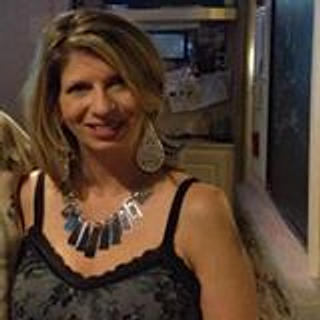
Your ceremony is the moment when the music quiets, your favorite people gather close, and the two of you say the words that make your marriage official. A wedding officiant does far more than stand at the front and complete the legal requirements. The right person helps turn that meaningful moment into a ceremony that sounds like you, feels comfortable to you, and stays with your family and friends long after the celebration ends.
For couples planning a South Jersey wedding, choosing an officiant deserves the same thoughtful attention as choosing a venue or photographer. Your officiant sets the tone, guides the flow, and helps you feel present instead of nervous when all eyes are on you.
What a Wedding Officiant Brings to Your Day
A professional officiant brings calm, preparation, and a clear sense of purpose to one of the most important parts of your wedding day. Before the ceremony, that means getting to know you as a couple: how you met, what you value, the promises you want to make, and the traditions that feel right for your relationship.
During the ceremony, your officiant is the steady voice leading everyone through the occasion. They welcome your guests, share your story with care, introduce readings or rituals, guide your vows and rings, and pronounce you married. Just as importantly, they know when to pause, when to offer reassurance, and how to keep the moment moving naturally.
There is also a practical responsibility. A wedding ceremony must meet the legal requirements of the state where you marry. In New Jersey, couples generally obtain their marriage license through the appropriate local registrar before the ceremony. Your officiant completes the officiant section after the marriage takes place, but couples should confirm current license rules, timelines, and return instructions with their local municipality. A reliable officiant can help you understand the ceremony side of the process without adding confusion to an already full planning list.
A Personal Ceremony Is Not a Generic Script
Many couples begin their search with one simple concern: We do not want our ceremony to feel generic. That feeling is understandable. You have spent months, perhaps longer, planning a celebration that reflects your life together. The ceremony should not be the one part that could belong to anyone.
Personalization does not have to mean sharing every private detail with a room full of guests. It can be as simple as choosing a warm, romantic tone; including a favorite reading; recognizing children or parents; or adding a meaningful unity ritual. For other couples, it means telling more of their story, including the unexpected turns that brought them together and the qualities they most admire in one another.
The best ceremony finds the right balance. It is personal enough that your guests recognize your relationship in the words being spoken, yet polished enough that everyone can follow and enjoy the experience. It honors the significance of the commitment without becoming overly formal or overly long.
Your Values Can Lead the Ceremony
There is no single right way for a wedding ceremony to sound. Some couples want a faith-centered ceremony. Others prefer a secular ceremony with heartfelt language about partnership, family, and shared purpose. Many want a blend of traditional elements and modern wording.
A thoughtful officiant listens before writing. If you are including a cultural tradition, a memorial acknowledgment, a handfasting, a sand ceremony, a unity candle, or a family blessing, each element should feel intentional rather than added simply because it appeared on a checklist. The goal is not to fill time. The goal is to create a ceremony that reflects the people standing together at the altar.
What to Ask Before You Choose an Officiant
Chemistry matters. You should feel at ease speaking with the person who will lead such a meaningful public moment. A consultation is your opportunity to learn whether an officiant is a good fit for your personality, priorities, and wedding plans.
Ask how the ceremony is created and how much input you will have. Some officiants use a fixed script with only a few customizable details. Others collaborate with couples from beginning to end and write a ceremony around their story. Neither approach is automatically wrong, but couples who value a truly personal experience should understand the process before booking.
It is also wise to ask about communication, timing, rehearsal attendance, travel, and backup plans. Weddings involve many moving parts, and dependable communication is a gift to busy couples. You want to know when you will receive your ceremony draft, how revisions work, and whether your officiant will coordinate with your planner, venue, DJ, or photographer on the day of the event.
Experience matters most when the unexpected happens. A microphone may stop working. A flower girl may decide the aisle is not for her. A sudden rain plan may move everyone indoors. An experienced professional does not make those moments bigger than they need to be. They adjust with grace and keep the focus where it belongs: on your commitment to each other.
Plan Early, Then Give Yourselves Room to Enjoy It
Your officiant should be among the vendors you contact early, especially if your wedding falls during a popular season or holiday weekend. Once you have a date and general location, you can begin conversations. Booking early gives you more time to build a relationship and shape the ceremony without rushing.
After booking, set aside an unrushed time to talk about the parts of your story you would like to share. You may be surprised by what comes up when you reflect together. Perhaps one of you remembers the first conversation differently. Perhaps a difficult season showed you how strong your partnership had become. Perhaps your relationship is full of laughter, quiet loyalty, adventure, or a deep connection to family. These details are often the heart of a memorable ceremony.
Your vows deserve the same gentle preparation. Personal vows can be beautiful, but they can also feel intimidating. Start with a few honest thoughts: what you cherish, what you have learned, and what you promise for the life ahead. You do not need to write a speech. A few sincere lines, spoken clearly, can be more powerful than pages of perfect wording.
If writing your own vows is not right for you, that is perfectly fine. You can repeat traditional vows, select wording together, or use a simple prompt-and-response format. The most meaningful choice is the one that lets you speak with confidence.
The Ceremony Experience Your Guests Will Remember
Guests may not remember every song played at cocktail hour, but they will remember how your ceremony made them feel. They will remember the warmth in the room when you exchanged vows, the laughter from a familiar story, and the quiet emotion when you looked at one another before saying, “I do.”
That is why pacing matters. A ceremony that is too brief can feel rushed, while one that includes every possible reading and ritual can lose its emotional focus. Your officiant can help you make thoughtful choices about length and structure. For many couples, a ceremony of roughly 20 to 30 minutes creates space for meaning while keeping guests engaged. Of course, it depends on your traditions, venue schedule, and the experience you want to create.
A strong officiant also understands that the ceremony is not a performance for the person at the front. It belongs to the couple. The officiant's role is to guide, support, and speak with warmth so that your love, your promises, and your presence remain at the center.
For Vow Renewals, the Story Has New Depth
A vow renewal is not simply a second wedding. It is an opportunity to honor the life you have built and the choice you continue to make for one another. Whether you are celebrating a milestone anniversary, gathering loved ones after a challenging chapter, or creating the celebration you could not have earlier, your ceremony can reflect the depth of your shared history.
A renewal may include original vows, a look back at your wedding day, acknowledgments of children and grandchildren, or a simple reaffirmation surrounded by the people who have supported you. The tone can be elegant, lighthearted, deeply emotional, or all three. What matters is that it feels honest to where you are now.
At Weddings by Annette, ceremony planning is built around listening closely, offering dependable guidance, and creating words that feel personal and meaningful. When your officiant understands both the emotional weight of the moment and the practical details behind it, you are free to focus on each other.
As you plan, remember that the ceremony is not a pause before the party. It is the beginning of the celebration, the promise at its center, and the memory you will return to whenever you remember the day you became married.


Comments